What Happens at the Lake SVG: A Designer's Real-World Review
As someone who has spent years stitching custom pieces for clients and running a small shop on Etsy, I have learned that the difference between a good design and a great finished product often comes down to how well the digital file translates into thread. When I first encountered What Happens at the Lake SVG, my initial reaction wasn't just about the cute theme, but about its potential utility in a real-world embroidery project. This is not just another graphic to slap on a shirt; it is a machine embroidery design that requires careful consideration before it ever touches your hoop.
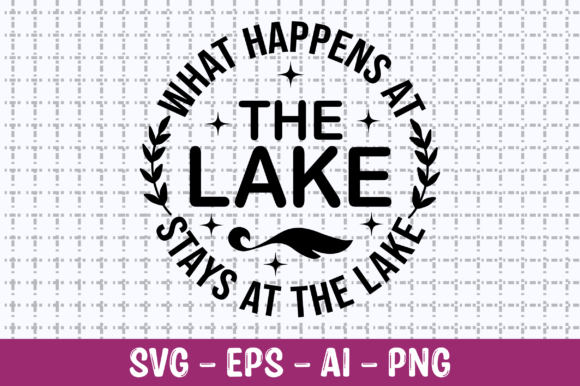
The immediate visual appeal of What Happens at the Lake SVG suggests a relaxed, nostalgic mood perfect for summer collections or cozy winter projects. The layout feels balanced, avoiding the clutter that often plagues amateur vector files. However, as an experienced designer, I do not judge a file solely by its screen appearance. I judge it by how it will behave under the needle, how the stitch density interacts with fabric texture, and whether it holds up after a customer washes their new hoodie or tote bag. In this review, I am going to walk you through exactly how I would approach using this design for a commercial product line versus a personal gift.
Bringing the Design to Life: A Real Project Scenario
Let me set the scene. I recently needed a design for a boutique client who wanted to launch a limited run of embroidered aprons and kitchen towels for a "Summer Cabin" collection. They needed something that felt rustic yet modern, suitable for both men and women. I pulled up What Happens at the Lake SVG as a candidate. My goal was to see if it could serve as a central focal point on a heavy-duty cotton canvas apron without losing detail.
When I imported the file into my digitizing software, the clean lines of the SVG file were immediately apparent. Because the source is a vector, resizing the design to fit a 6x6 inch hoop or a larger 10x18 inch area was seamless. This is crucial for versatility. On the apron mockup, the design sat perfectly centered over the pocket area. The concept of "What Happens at the Lake" implies a story, which adds emotional value to the handmade product. Customers don't just buy an apron; they buy the memory of a weekend getaway. That narrative element makes this design far more valuable than a generic geometric pattern.
I also considered using this design for a sweatshirt embroidery project for a family reunion. The text-heavy nature of the phrase allows for creative font choices if the user decides to add a date or location below it. The transparent PNG included in the download pack provided a quick way to visualize the placement on different garment colors before committing to expensive thread tests. For a small business owner, time is money, and having a digital embroidery file that offers multiple formats like AI, EPS, and SVG means less time troubleshooting compatibility issues and more time creating revenue-generating items.
Performance Across Different Fabrics and Products
While the design looks great on paper, the true test lies in execution. What Happens at the Lake SVG is versatile enough to work on a wide range of custom apparel, from baby clothes to caps. However, each fabric type presents unique challenges that you must anticipate.
- Tote Bags and Canvas: These are ideal candidates because the thick fabric can handle the weight of the stitches without puckering. The design's clean shapes will stand out beautifully against natural linen or dark denim backgrounds.
- Sweatshirts and Hoodies: When embroidering on fleece or heavy cotton blends, you need to ensure your stabilizer is robust enough to support the satin stitch areas. If the design includes fine details, they might get lost in the fuzz of a high-pile sweatshirt. I recommend testing this on a scrap piece first to check how the threads lay.
- Baby Items: For onesies or burp cloths, the softness of the fabric is paramount. You must adjust the tension and potentially reduce the stitch density slightly to prevent the embroidery from feeling too stiff against delicate skin. The gentle theme of the lake design fits perfectly here, making it a top choice for personalized gifts.
- Caps and Patches: Curved surfaces like hats require specific hooping techniques. While the design is scalable, complex curves in the lettering might distort if the cap is too rounded. It works best on flat patches or structured front panels where the fabric remains taut.
If you are selling these items on Etsy or at craft fairs, the professionalism of the finish dictates your brand reputation. A poorly executed embroidery project can ruin an otherwise beautiful product. What Happens at the Lake SVG provides a strong foundation, but the final look depends heavily on your machine settings and thread selection.
Where to Use Caution and What to Avoid
No single design is a universal solution. There are specific scenarios where What Happens at the Lake SVG might struggle if you are not careful. One major pitfall is attempting to use this design in very small hoop sizes, such as 4x4 inches, without scaling it down significantly. If the original vector contains intricate details or tiny lettering, shrinking them can cause the threads to bunch up, leading to a messy finish that customers will notice immediately.
Another critical factor is fabric texture. Highly textured fabrics, like chunky knits or bouclé, can hide the definition of the design. Similarly, thin, stretchy fabrics like jersey or silk require exceptional stabilization. Without a proper cut-away or tear-away stabilizer, the pull of the stitches can warp the garment, ruining the shape of the finished product. Dark fabrics also present a challenge; you must choose thread colors that offer sufficient contrast. A light-colored design on a black background might require a backing layer or a specific underlay stitch sequence to pop effectively.
Additionally, if your design includes dense fill stitches, be mindful of the fabric's ability to absorb that density. Too many stitches in one area can create a hard, board-like feel that detracts from the comfort of the item. This is particularly important for items that will be worn frequently, like custom apparel or kitchen towels that get washed often. Frequent washing can cause loose threads to snag if the design was not anchored correctly during the digitizing process.
Practical Tips for the Embroidery Designer
To ensure that your use of What Happens at the Lake SVG results in a professional outcome, I suggest following a strict workflow. First, always test the design on a scrap piece of the same fabric you intend to use for the final product. This step saves you from wasting materials and time on a flawed batch.
Review the thread colors carefully. The vector file itself does not dictate thread shade, so you must select colors that complement the intended use case. For a summer beach vibe, pastels or bright blues work well. For a rustic cabin feel, earth tones like sage green, navy, and brown are superior choices. Do not rely on the default colors in your software; customize them to match your brand identity.
Inspect the small details closely. Zoom in on the vector to ensure there are no stray points or overlapping paths that could confuse your machine. Check the hoop size requirements to make sure the design fits within your machine's capabilities. If you are planning to sell these items commercially, double-check the licensing terms associated with the download. Ensure you have the right to sell finished goods made from this graphics asset, especially if you are operating a craft business or a small shop product line.
Finally, consider the visual impact on your marketing. Use the printable mockup feature to show potential buyers how the design looks on different products. A clear image of the embroidered patch on a hat or the tote bag design on a table can drive sales more effectively than a plain description. By paying attention to these details, you transform a simple digital file into a high-value asset that builds trust with your customers.
In conclusion, What Happens at the Lake SVG is a solid addition to any designer's library. It offers the flexibility needed for various projects, from holiday embroidery to wedding gifts. With the right preparation and attention to the nuances of fabric and stitching, this design can help you create memorable, high-quality items that resonate with your audience. Whether you are a seasoned pro or a hobbyist looking to upgrade your skills, this file provides a reliable starting point for your next creative endeavor.